

Fast fashion is a production model that has gained traction in recent decades. Large fashion companies, thanks to their ability to produce at high speeds and at low costs, have made clothing accessible to a vast segment of consumers. However, while this trend has enabled the democratization of fashion, it has also led to serious damage to the environment and the people involved in its production. Let's explore together the main impacts of fast fashion and why it is essential to embrace slow fashion , a responsible, ethical, and sustainable choice.

The Impact of Fast Fashion on the Environment
Fast fashion relies on frenetic production, often sacrificing quality for quantity. Fast fashion companies continually produce new collections, with seasonal changes that encourage consumers to purchase frequently, without considering the environmental impact of their choices. Here are some of the main harms caused by this consumption model:
1. Pollution from Synthetic Fabrics
The production of clothing made from synthetic materials, such as polyester and nylon, is a major cause of pollution. These fabrics are derived from petroleum and take hundreds of years to decompose. Furthermore, every time synthetic clothing is washed, it releases microplastics into the environment, contributing to ocean pollution and endangering marine life.
2. CO2 emissions
Fast fashion is also a major contributor to high greenhouse gas emissions. Clothing production requires a large amount of energy and natural resources, including water and electricity. Global supply chains, which move clothing from one corner of the world to another, contribute significantly to air pollution.
3. Exploitation of Natural Resources
Fast fashion requires a continuous supply of natural resources, such as water, to grow cotton and produce other materials. Furthermore, the processing of fabrics such as leather and wool, often associated with intensive agricultural practices, further damages local ecosystems.
4. Exploitation of Workers
Fast fashion not only harms the environment, but also human rights. Working conditions in garment factories in developing countries are often inhumane. Workers are underpaid, live in extreme poverty, and work in dangerous environments. This production system not only exploits people, but also exposes them to serious health risks.
5. Over-export of used clothing and environmental damage
Another serious problem caused by fast fashion is the overexportation of used garments to poor countries, such as many African nations. These clothes, often of poor quality, end up saturating local markets and contributing to growing pollution. The garments are disposed of without the possibility of adequate recycling, becoming a further burden on the environment.

Slow Fashion: A Sustainable and Responsible Model
In contrast, slow fashion is an approach that focuses on quality, sustainability, and respect for people and the planet. Rather than following the frenetic pace of fast fashion, slow fashion focuses on slower, more targeted production, using eco-friendly materials and ensuring respect for workers' rights.
1. Sustainable Materials
Slow fashion favors the use of natural, recycled, or regenerated materials, such as organic cotton, linen, and Tencel, which have a much lower environmental impact than synthetic fabrics. Furthermore, slow fashion promotes the regeneration of materials through recycling and upcycling, thus reducing the demand for new resources.
2. Ethical Production
Another fundamental principle of slow fashion is the promotion of social justice . Brands that adhere to this business model guarantee fair working conditions and fair pay for workers, as well as investing in production practices that respect human rights.
3. Durability and Quality
Slow fashion emphasizes product durability. Garments are designed to last, reducing the need for frequent purchases and minimizing waste. Furthermore, garments are crafted with attention to detail, using high-quality techniques that ensure a long product life.
No War Factory: An Example of Ethical and Sustainable Fashion
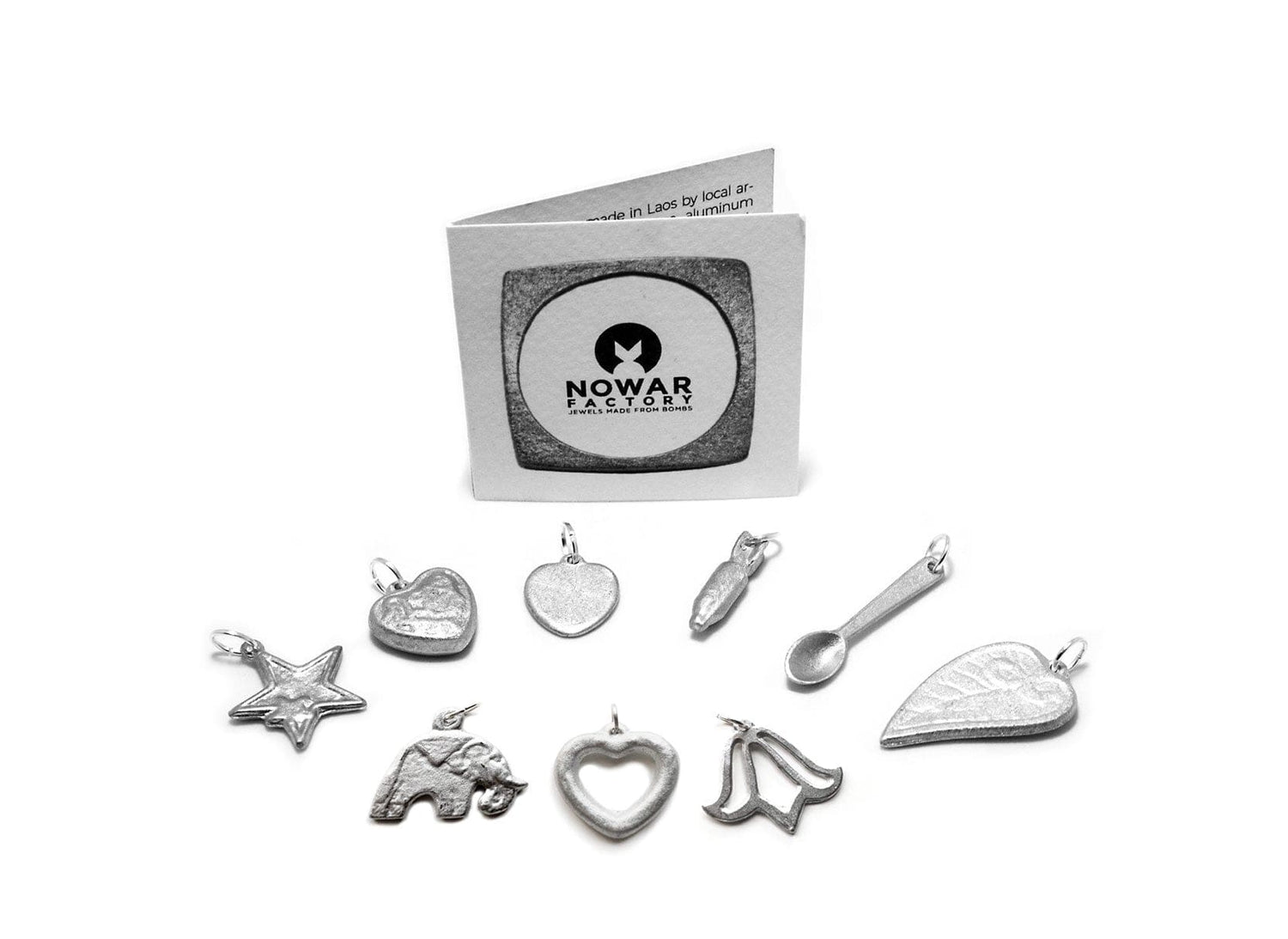
No War Factory is a perfect example of how fashion can be not only beautiful but also responsible. Our brand promotes an artisanal and sustainable approach to jewelry production, using recycled aluminum from war remnants, such as bullets and unexploded bombs, to create unique pieces. This process not only reduces environmental impact but also contributes to community reconstruction and peace, thanks to our collaboration with humanitarian organizations such as Emergency and Open Arms.
Our jewelry is crafted using the stirrup casting method, a traditional technique that ensures maximum respect for the environment and minimal waste of resources. Each piece tells a story of hope and resilience, transforming what was once a symbol of destruction into an object of beauty and meaning.
Why Choose No War Factory?
-
Environmental Sustainability : Our jewelry is made from recycled materials, minimizing the ecological impact.
-
Supporting Communities : With every purchase, you help build a more secure future for people living in rural villages in Laos through our annual water filter distribution initiative.
-
Ethical Fashion : Every piece we create is the result of craftsmanship that respects work ethics and workers' rights.
Visit our No War Factory website to discover our products and join us in the fight for a more sustainable, just, and peaceful future.

Fast fashion has had a devastating impact on the environment and people, but there is an alternative. Slow fashion, with its focus on quality, sustainability, and ethics, offers a solution for those who want to make informed choices. In this context, companies like No War Factory demonstrate that it is possible to combine beauty and responsibility, creating products that not only decorate, but contribute to building a better world.
By choosing to support sustainable and responsible brands, we can all do our part in reducing the negative impact of fast fashion and promoting more ethical and sustainable fashion.
