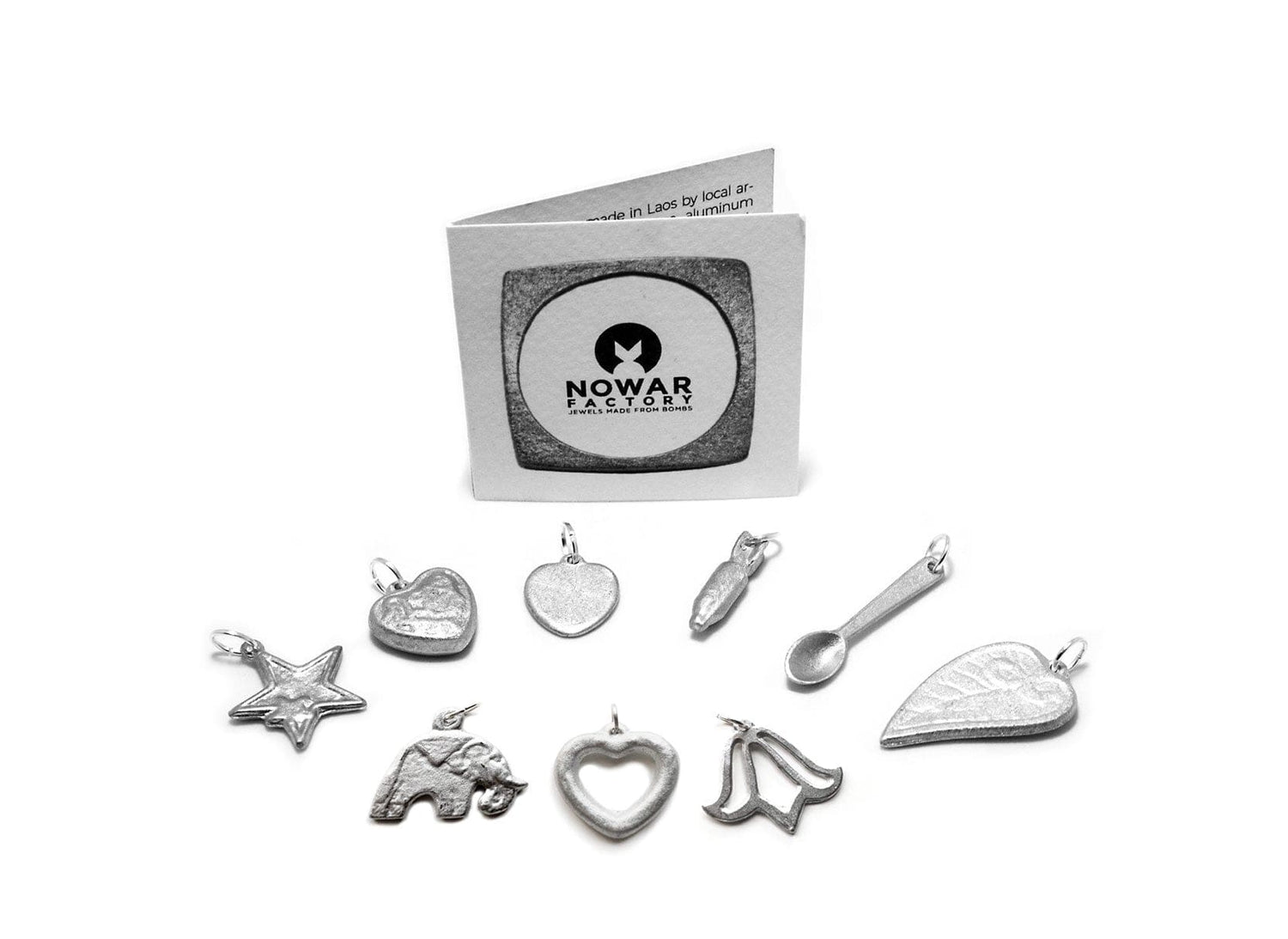


Every discarded item fuels a system that makes us passive consumers. Every piece of jewelry repaired, however, is a small rebellion. Jewelry repair in Bologna isn't just a practical matter: it's an act of resistance against the culture of waste that pushes us to replace instead of conserving, to forget instead of passing on.
No War Factory believes that sustainability is a political gesture , not a fad. Repairing a ring inherited from your grandmother or having a necklace you thought was lost restored means opposing an economic model based on planned obsolescence. Bologna, with its artisanal tradition and cultural fabric, still offers spaces where manual labor resists industrial homogenization.
In this article, you'll find five practical steps to give new life to your jewelry, transforming a daily need into a conscious choice. This isn't a sales guide, but an invitation to rethink our relationship with the objects we carry and the stories they hold.
1. Giving political meaning to reparation with No War Factory
When you choose jewelry repair in Bologna , you're not just saving money or repairing a damaged item. You're rejecting a system that violently extracts resources from the earth, exploits labor in countries of the global South, and fuels armed conflicts for control of mines and precious stones. No War Factory invites you to see every repair as an act of awareness: not buying new means not feeding that chain.
Because repairing also speaks of war and resources
Gold mining finances armed groups in various parts of the world. Diamond mines have fueled civil wars in Africa for decades. When you repair instead of replace, you reduce the demand for new mining and deprive an economic model based on plunder. This isn't moralism: it's a concrete stance . Every gram of recycled gold is a gram that isn't stripped from the earth with mercury and cyanide.
Repair is not nostalgia: it is material resistance to extractive capitalism.
How to Turn a Repaired Jewel into Active Memory
That bracelet you had repaired becomes a living testimony if you tell its story. There's no need for rhetoric: just say who it comes from, why you chose not to throw it away, and what it means to you. Memory is built through everyday gestures , not just with monuments or official commemorations. Every time you wear that repaired object, you carry with you a visible ethical choice.
How to share your story without becoming a consumer
Talking about your repaired jewelry doesn't mean turning it into social media content. You can share your choice in real conversations , with those who ask you for information, with those who notice that particular piece. The important thing is not to aestheticize sustainability : it's not about appearing virtuous, but about building a culture alternative to compulsive consumption .
2. Choose an artisan goldsmith's workshop in Bologna
Finding a jewelry repair shop in Bologna isn't difficult, but distinguishing those who work with care from those who treat your items like mass-produced goods requires careful attention. It's not enough to search online: you need to visit the shop , observe how they work, and ask direct questions. A true craftsman won't rush to convince you and will explain what they can and can't do without making unrealistic promises.
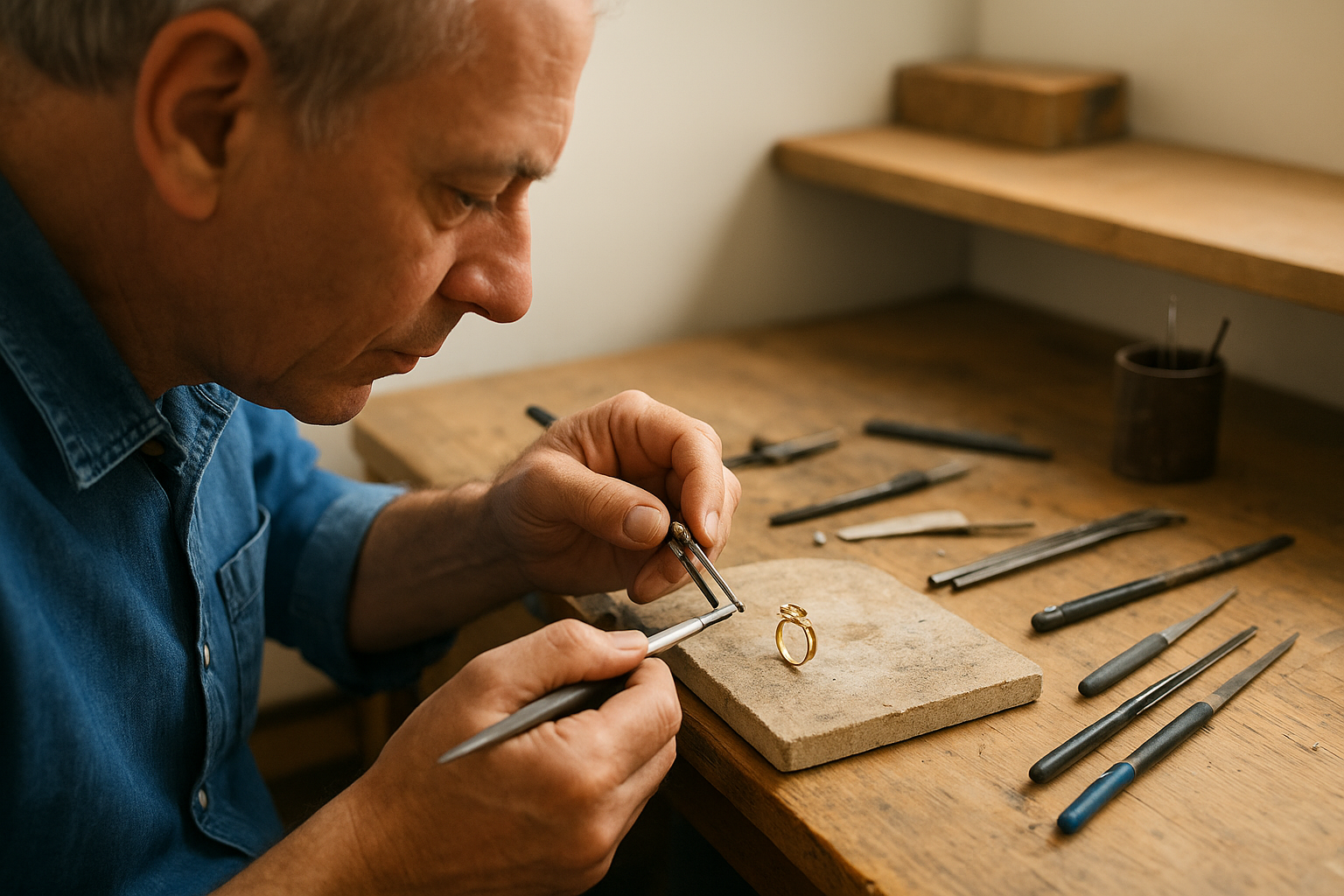
What to ask before leaving a piece of jewelry for repair
Always ask for a realistic timeframe and estimated cost before handing over your item. A reputable workshop will show you what they intend to do, what materials they will use, and whether they will need to add metal or replace stones. Ask for clear answers about the techniques and limitations of the work. If you feel vague or rushed, go elsewhere.
A craftsman who respects your jewelry also respects your questions.
Quality signs on welds, fittings and finishes
Look at previous work on display or in photographs: the welds must be invisible, and the stone settings must be solid, without excess metal. The final finish is as important as the repair itself. Be wary of anyone who promises everything will be done in a few hours: some jobs require time to ensure durability.
Warranty, receipt and liability in case of damage
Always request a detailed receipt describing the jewelry and the agreed-upon work. Ask what warranty is offered on the work performed and what happens in the event of damage during processing. A professional workshop has insurance coverage and won't release you from any undue liability.
3. Do maintenance before it breaks
Waiting for a piece of jewelry to break means facing more expensive and invasive repairs . Preventative maintenance allows you to preserve your items longer without resorting to emergency jewelry repairs in Bologna . You don't need to be an expert: regular checks and paying attention to the signs each piece sends you through daily wear and tear are all it takes.
Quick checks that avoid more invasive repairs
Check necklace clasps , stone clasps, and earring posts at least every six months. Look for obvious signs of wear : blackened solder joints, thinned metal, or abnormal movement of supposedly fixed elements. Take your jewelry to a lab when you notice these signs, before the damage becomes irreversible.
Common interventions on chains, locks, claws and pins
Chains buckle with constant use. Lobster clasps lose their tension. The clasps that hold the stones bend or wear until they no longer hold anything. A goldsmith can strengthen these weak points with quick, minimally invasive interventions, if you act before the complete breakage occurs.
When to stop and not improvise at home
Don't attempt DIY repairs on items of sentimental or financial value . You risk worsening the damage and making subsequent professional repairs more difficult. Clean your jewelry thoroughly, but leave soldering and settings to those with the proper tools and expertise.
Prevention is not an obsession: it is respect for what you have chosen to preserve.
4. Restore family jewels instead of buying new ones
Transforming a grandmother's ring into a contemporary pendant doesn't mean erasing its history: it means bringing it to life in your present. Many inherited pieces remain locked away in drawers because they don't match your style, but they contain gold and stones that you can reuse without buying anything new. Jewelry repair in Bologna also includes these transformations, combining personal memory and resistance to wear.
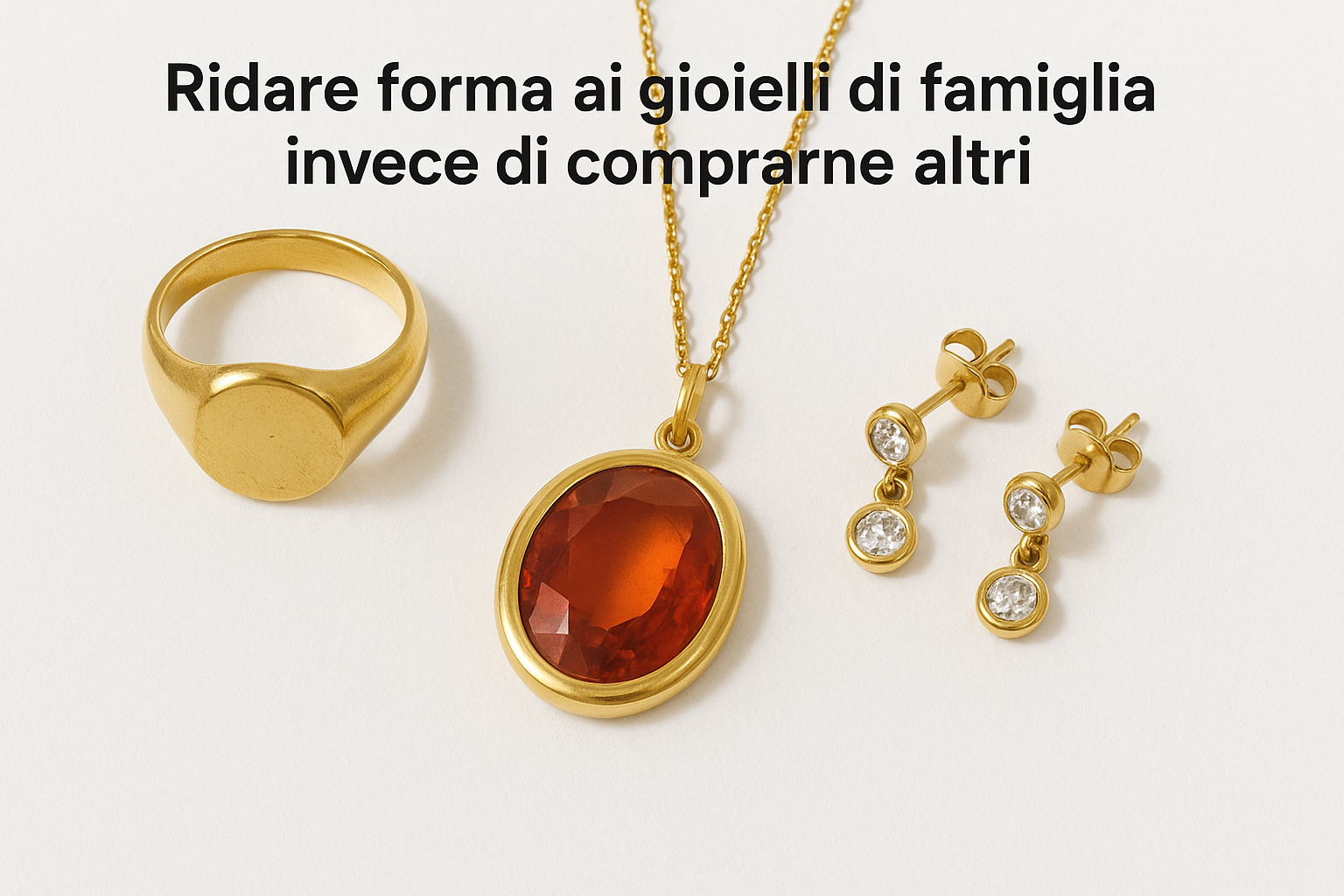
Transformations are possible without losing emotional value
A bracelet that's too tight becomes a necklace or earrings . Stones removed from a brooch find their way into a simple ring. Gold is remelted and molded into shapes you actually wear. These transformations preserve the object's emotional origins even when you alter its external appearance.
Transforming means passing on in a living, non-museum-like way.
How to reuse gold and stones while reducing new mining
Every gram of recycled gold reduces demand for the mines. Ask the artisan to recover all the available metal from your old jewelry instead of adding new material. Stones can be re-set in different settings without losing value.
How to prepare with photos, measurements and aesthetic priorities
Bring reference photos to the lab that show your desired style. Discuss which elements of the original piece you absolutely want to retain and what you're willing to modify. Provide precise measurements if the transformed piece needs to fit properly on fingers or wrists.
5. Ask for transparency on materials and origins
When you're looking for jewelry repair in Bologna , you can take the opportunity to understand where the materials they'll add to your piece come from. Not all artisans are fully certified, but their willingness to answer your questions speaks volumes about their ethical standards. Asking for transparency isn't about demanding perfection: it's about building a relationship based on mutual trust and shared responsibility.
Because gold and stones also carry a history of conflict
Uncontrolled gold mining finances armed groups in various regions of the planet. Diamonds have fueled civil wars for decades. Even when there is no direct conflict, mines devastate territories and communities with mercury pollution and inhumane working conditions. Every new material brings with it this potentially violent history.
Knowing where gold comes from means choosing which economy to support.
More coherent alternatives such as recycled gold and trace stones
Recycled gold comes from discarded items and doesn't require re-mining. Some stones are traced from the mine to the sales counter with verifiable certifications . Ask specifically whether the lab uses recycled or traceable materials.
Concrete questions to ask in the lab without technicalities
"Where does the gold you add come from?" is a straightforward question that deserves a clear answer. Ask if they use recycled gold and if they can show you any certifications. Ask what their stone traceability policy is. No technical jargon is needed: just demand honesty.
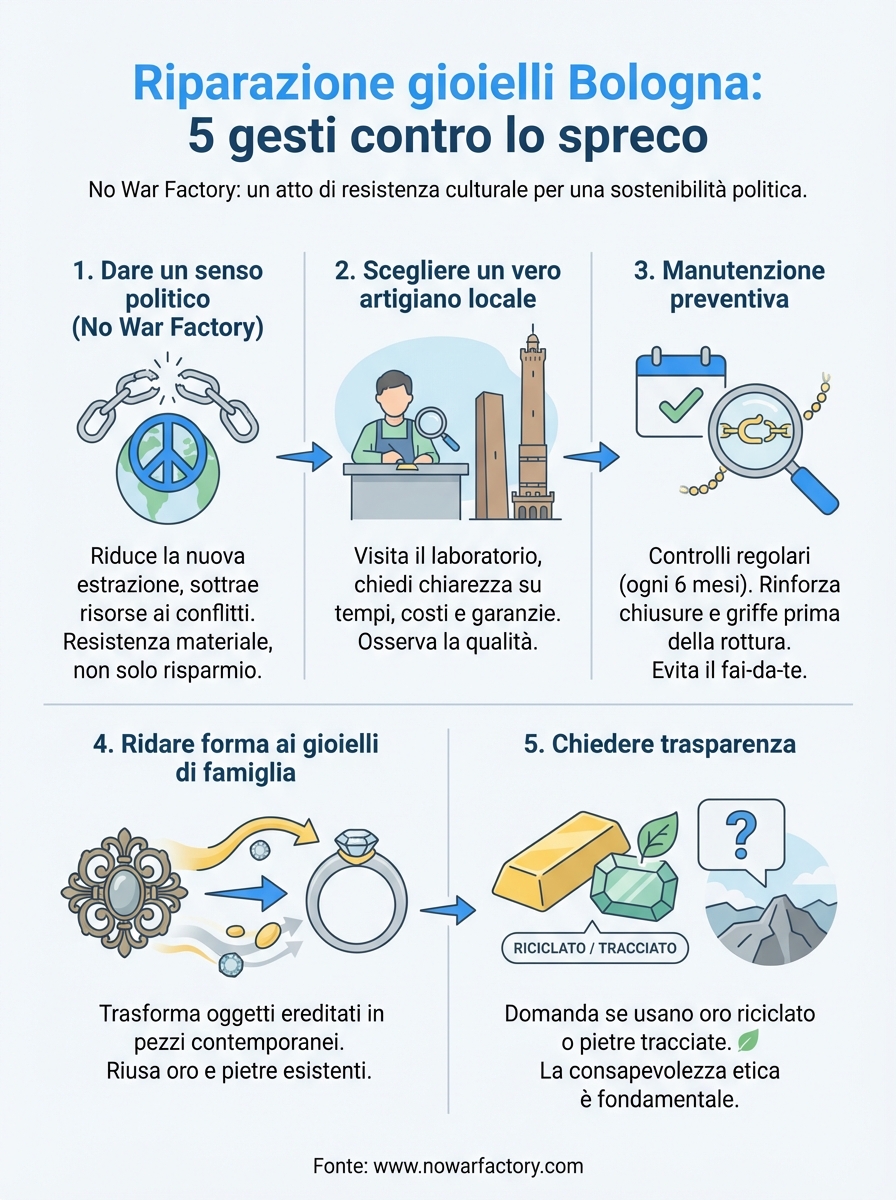
Pulling the strings
Jewelry repair in Bologna becomes resistance when you connect it to a broader vision of the world you want to build. Every time you choose to repair instead of replace, you divert resources from an extraction system that fuels conflict and environmental devastation. Every time you demand transparency on materials, you build a culture beyond passive consumption.
These five actions aren't money-saving tricks: they're everyday political choices you can make without waiting for revolutions from above. Preventive maintenance, transforming inherited jewels, and seeking out artisans who work with awareness become concrete acts of economic demilitarization.
No War Factory continues to map practices of cultural resistance and critical consumption. If you share this vision and want to discover other forms of everyday activism, explore the full project and join those who believe that every act against waste is also an act against war.